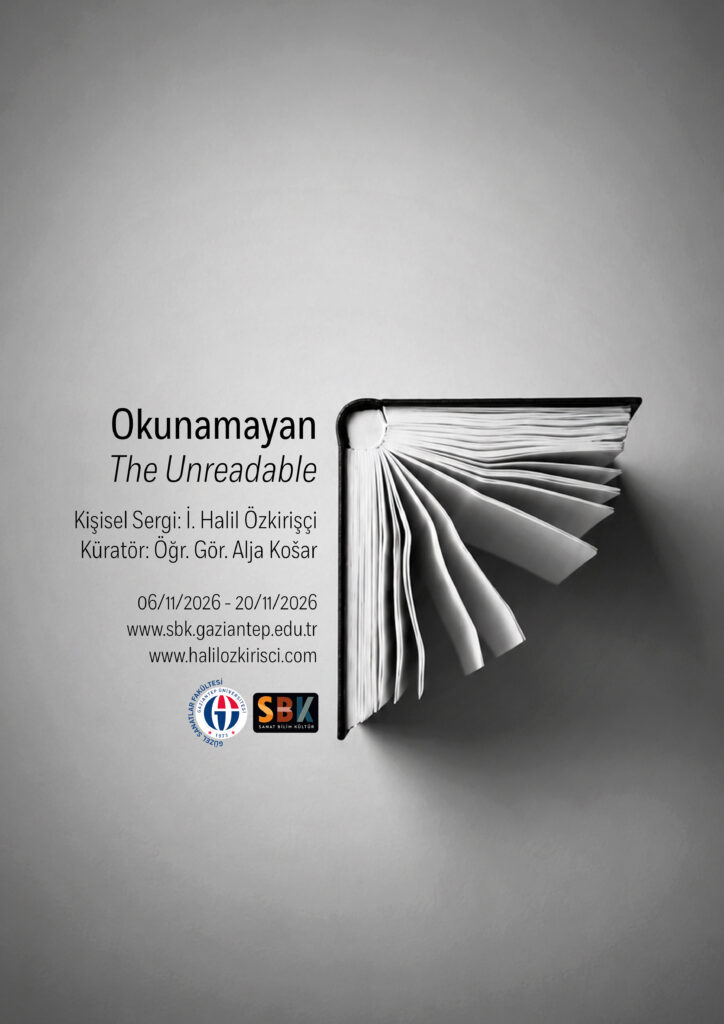
Okunamayan / The Unreadable
Örtük bilgi, Michael Polanyi’nin insan
bilgisinin bütünüyle söze, kurala ya da açık önermelere indirgenemeyeceğini
açıklamak için geliştirdiği kavramsal çerçevedir. Polanyi’nin
“söyleyebildiğimizden daha fazlasını biliriz” önermesi, bilmenin yalnızca ifade
edilen içerikten oluşmadığını; deneyim, dikkat, sezgi, beceri ve bağlamla
birlikte işlediğini belirtir. Günümüzde örtük bilgi, kişinin uygulama ve
yaşantı içinde edindiği, davranışlarını yönlendirdiği hâlde tamamını aktarmakta
zorlandığı kişisel ve bağlama bağlı bilgi olarak ele alınır. Bu bilgi bütünüyle
gizli değildir; bazı yönleri gösterilebilir, paylaşılabilir veya
dönüştürülebilir. Ancak dile çevrildiğinde bütünüyle karşılanamaz; bir
fazlalık, eksiklik ya da kayıp bırakır. Bu nedenle bilgi, açıklanabilir olanla
yaşanmış olan arasındaki sürekli gerilimde biçimlenir ve yeniden kurulur.
Sanat
ve tasarım, örtük bilginin görünür ve duyulur hâle gelebildiği, fakat bütünüyle
açıklığa kavuşmadığı üretim alanlarıdır. Bir yapıtın kurulması yalnızca teknik
yöntemlere ya da önceden tanımlanmış ilkelere dayanmaz; malzemeyle kurulan
temas, tekrar, karar, tereddüt, ritim, ölçü ve sezgi de üretimi belirler.
Benzer biçimde okuma, metindeki sözcüklerin anlamlarını çözmekten ibaret
değildir. Okuduğumuz şeyler, anlatılanların yanında ses tonu, suskunluk,
çağrışım, bellek, bedensel tepki ve kişisel deneyimlerle tamamlanan başka
katmanlar oluşturur. Bazı cümleler bilgi verirken bazıları yalnızca bir duygu
durumunu harekete geçirir. Satır aralarında oluşan bu edinimler, okurun
yaşamıyla birleşerek metnin açık içeriğini aşar. Böylece kitap, bilgi taşıyan
bir nesne olmanın yanında, okuyanın görme, işitme, dokunma ve hatırlama
biçimlerini dönüştüren deneyimsel bir alana dönüşür. Sanatsal üretim de bu
açıklanamayan fazlayı doğrudan tanımlamak yerine, ona biçim, yüzey, boşluk ve
zaman kazandırır. Görsel dilin işlevi burada sözcüklerin yerini almak değil;
sözcüklerin tamamlayamadığı anlamı sezdirerek izleyiciyi kendi deneyimiyle
düşünmeye çağırmaktır. Bu nedenle sanatçının bilgisi, yalnızca ne yaptığını
açıklamasında değil, nasıl gördüğünde, seçtiğinde ve dönüştürdüğünde açığa
çıkar. Yapıt, üreticinin tümüyle ifade edemediği deneyim ile izleyicinin kendi
belleği arasında kurulan, kesin bir sonuca kapanmayan ortak bir karşılaşma
alanıdır. Anlam da her karşılaşmada yeniden oluşur.
Okunamayan
/ The Unreadable, okunan nesneyi sabit ve güvenilir bir bilgi taşıyıcısı olarak
değil, anlamın dönüştüğü maddi ve duyusal bir alan olarak ele alır. Çalışmalar,
okumayı yalnızca zihinsel bir etkinlik olmaktan çıkararak görme, işitme, söyleme
ve dokunma deneyimlerini de göstermeyi amaçlar. Sergi, okunamayanı çözmek
yerine izleyiciyi eksik kalan anlamla karşılaşmaya ve kendi örtük bilgisini
devreye sokmaya çağırır.
Doç. Dr. İ. Halil Özkirişçi. 2026
---------------------------------------------------------------------------------------------------------------------------------------------------------Curator: Alja Košar
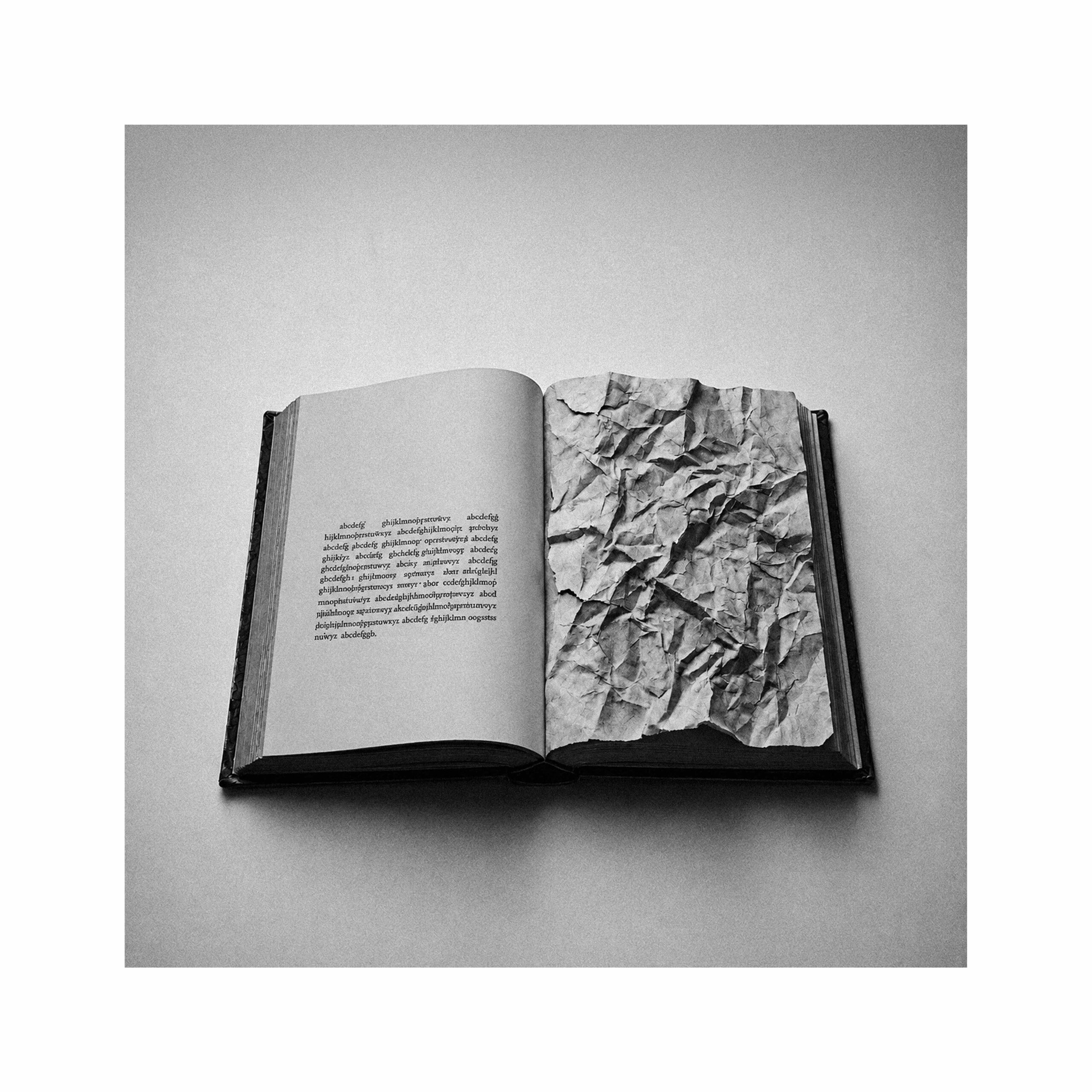
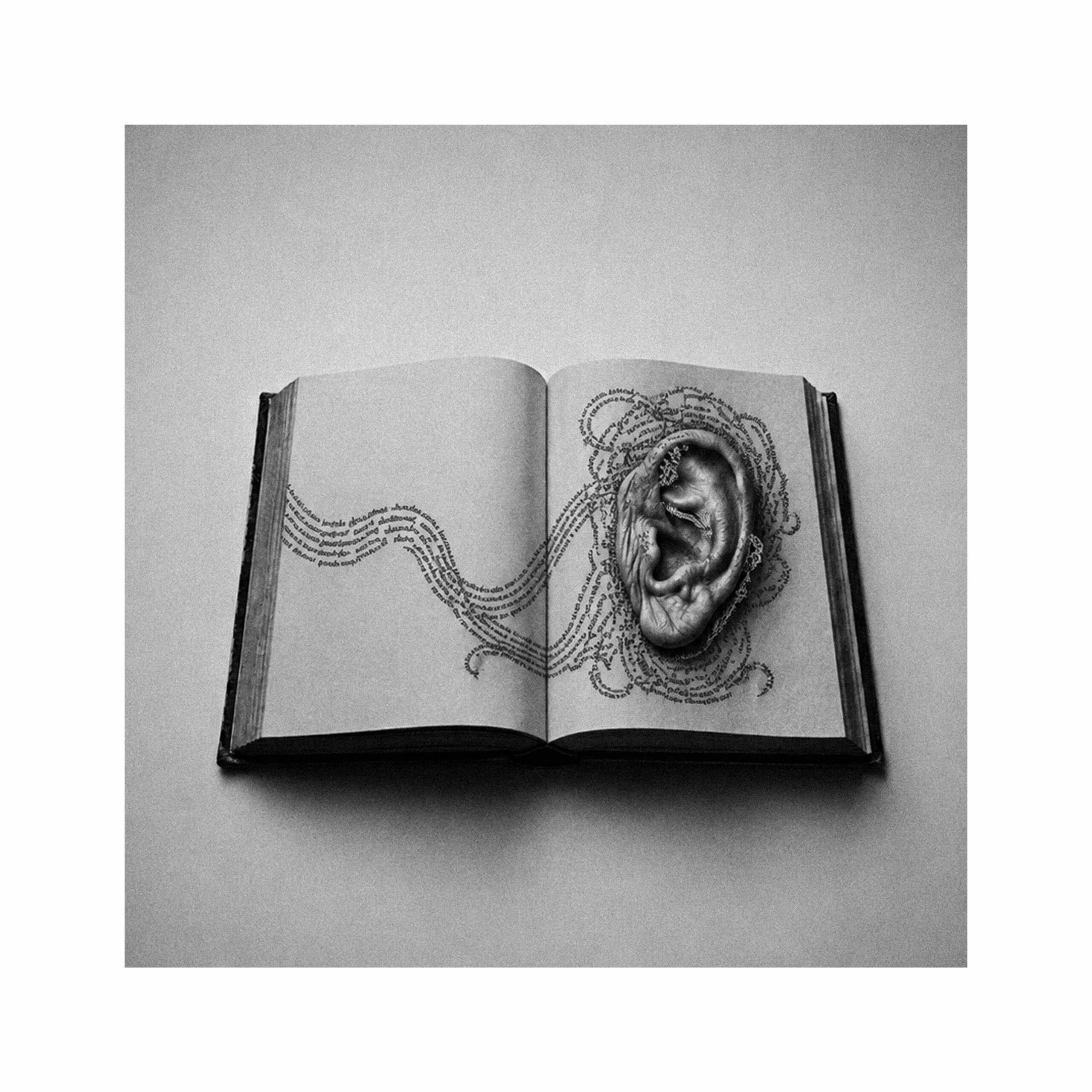
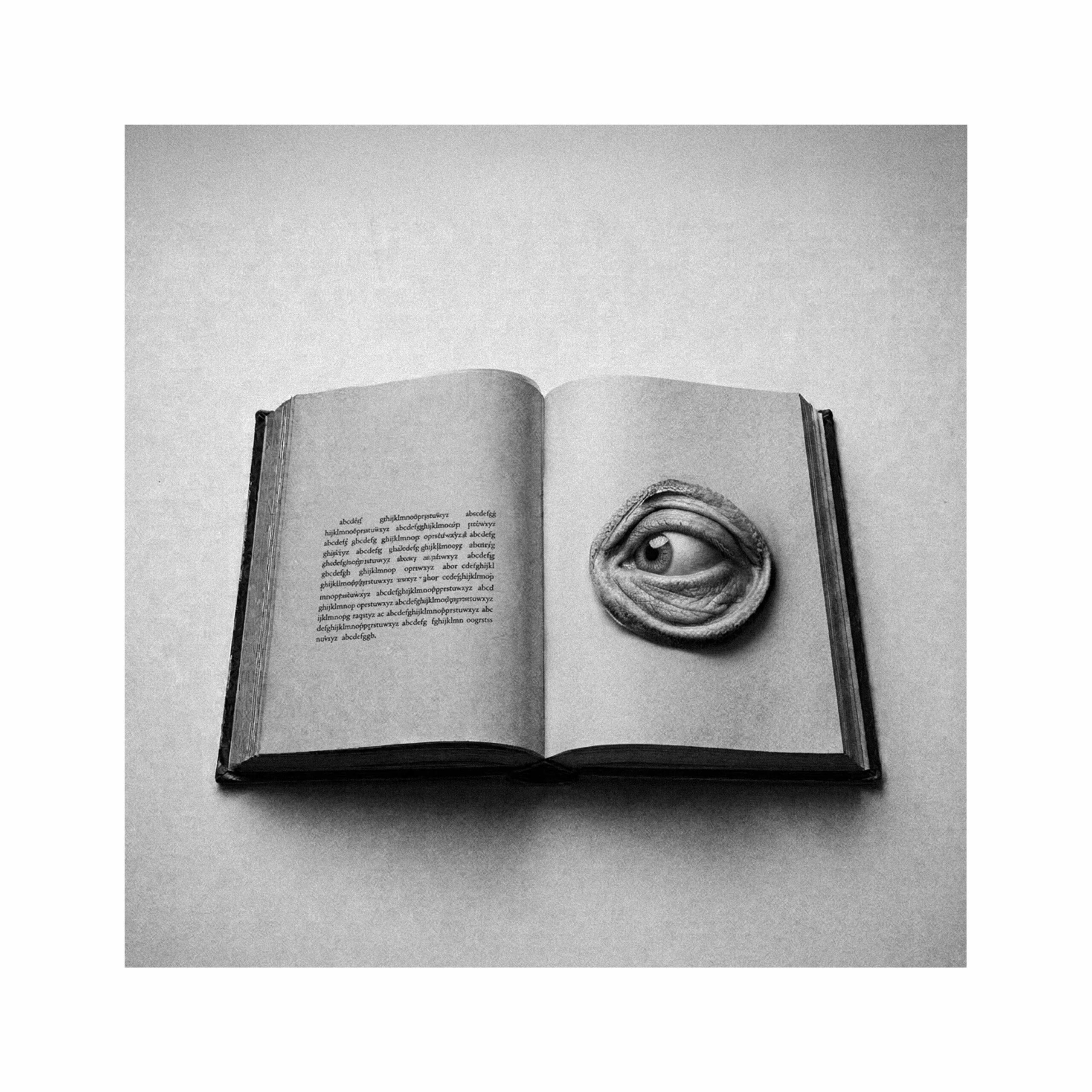
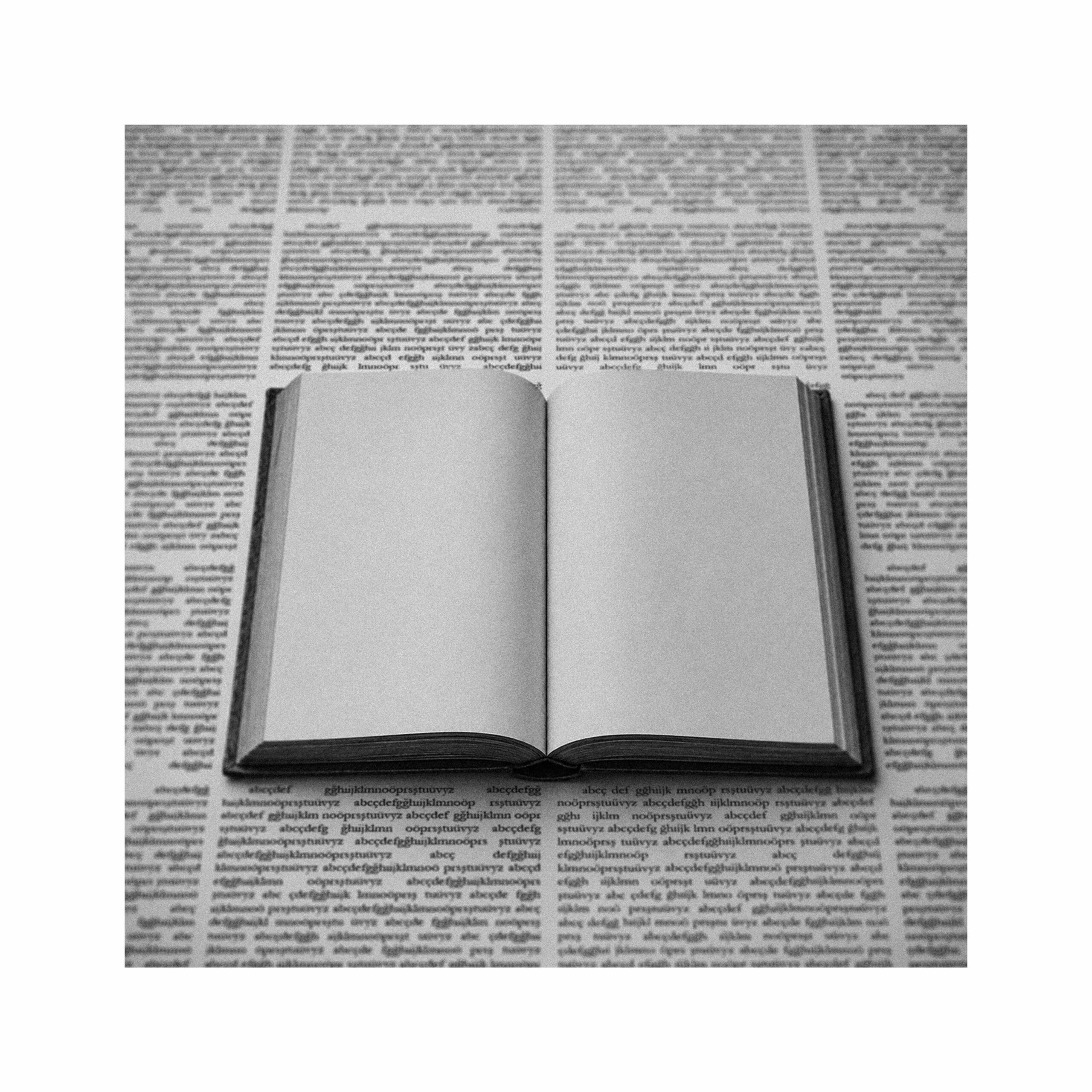
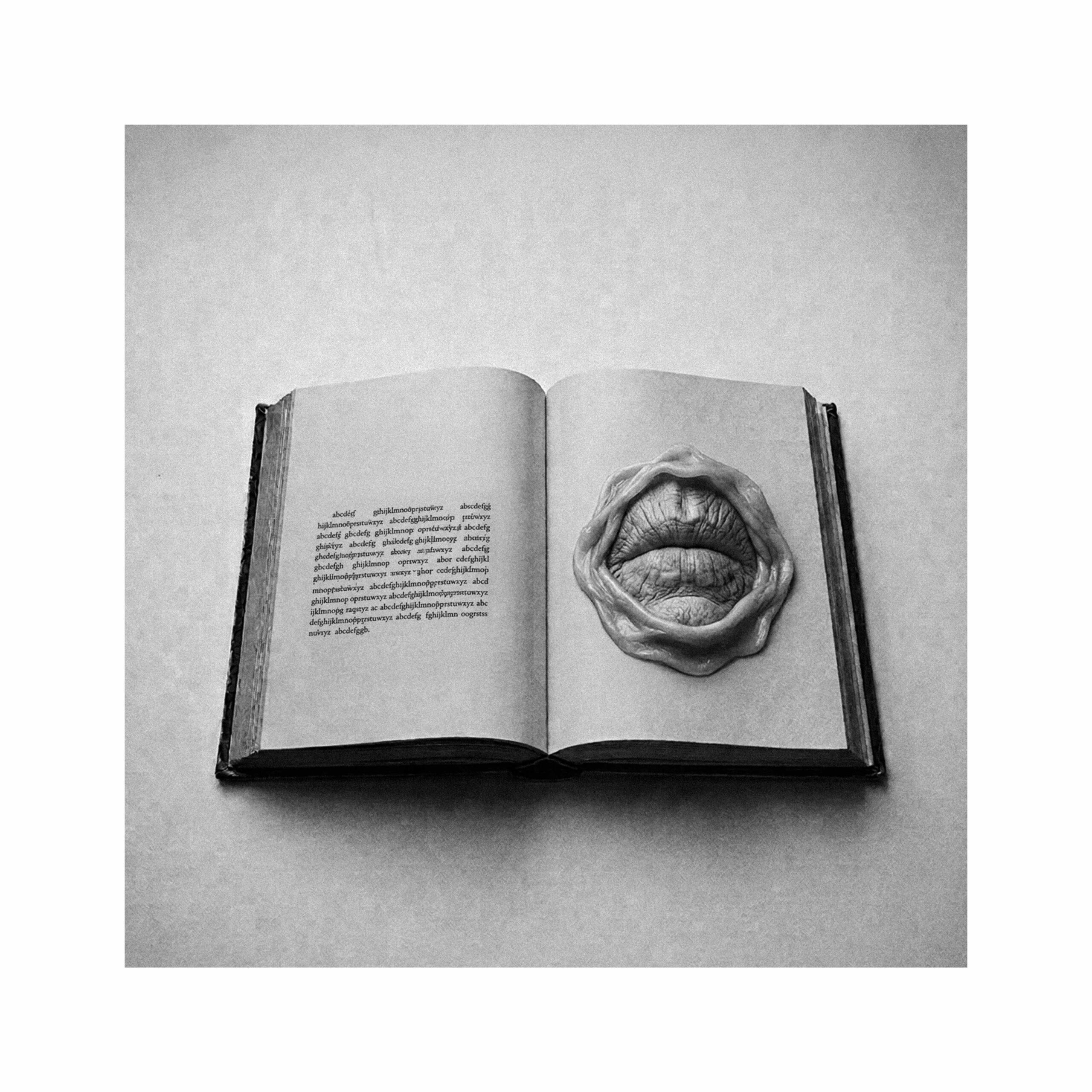
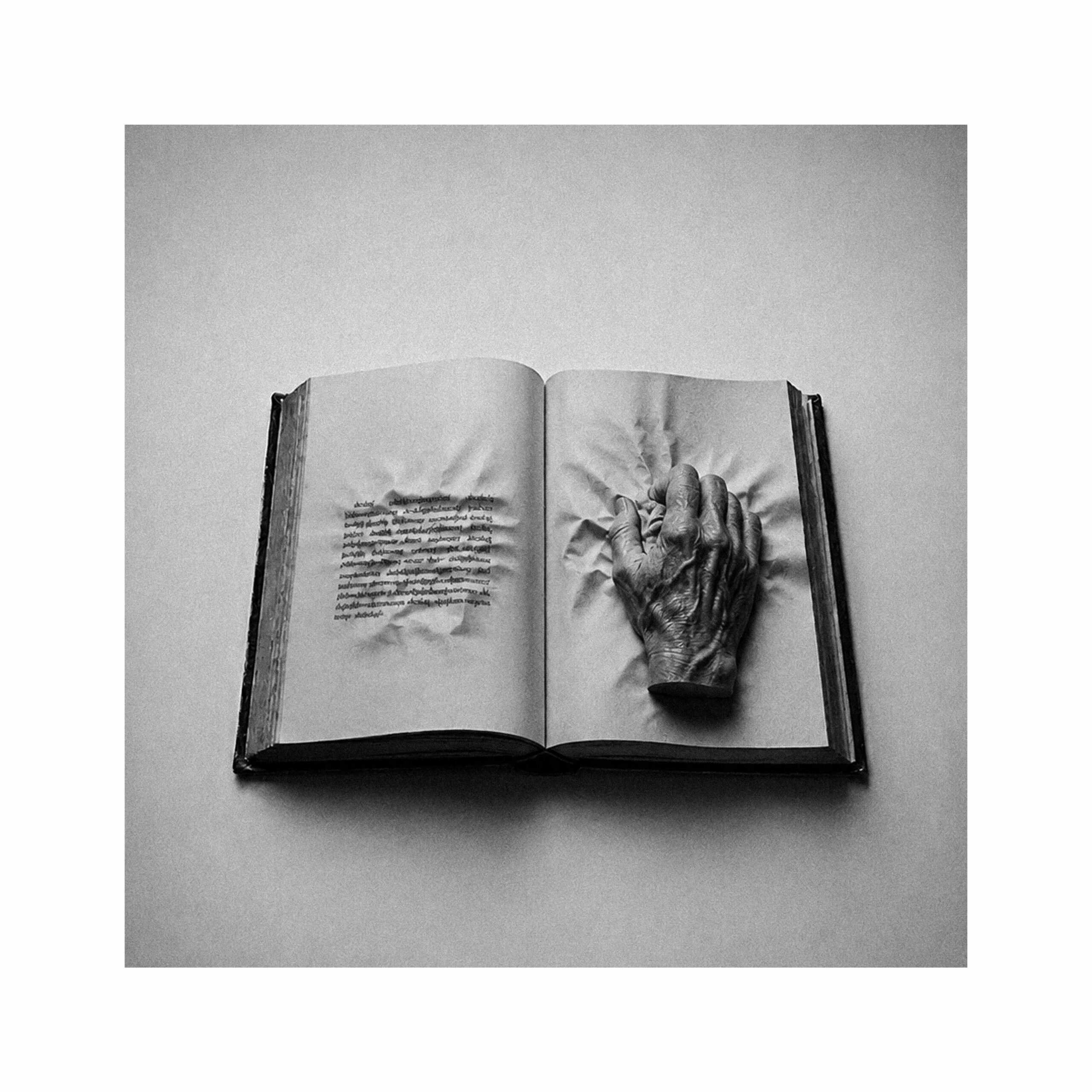
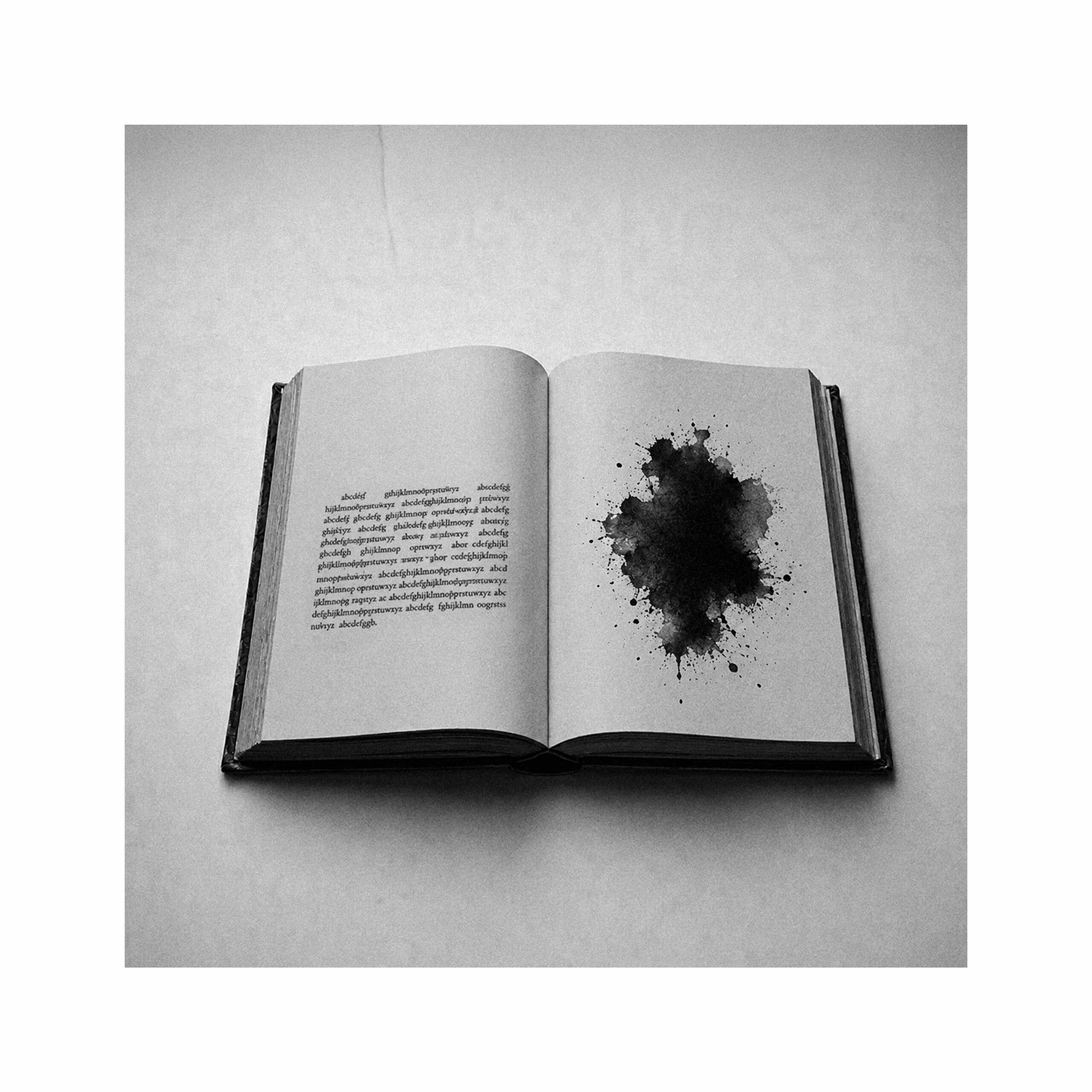
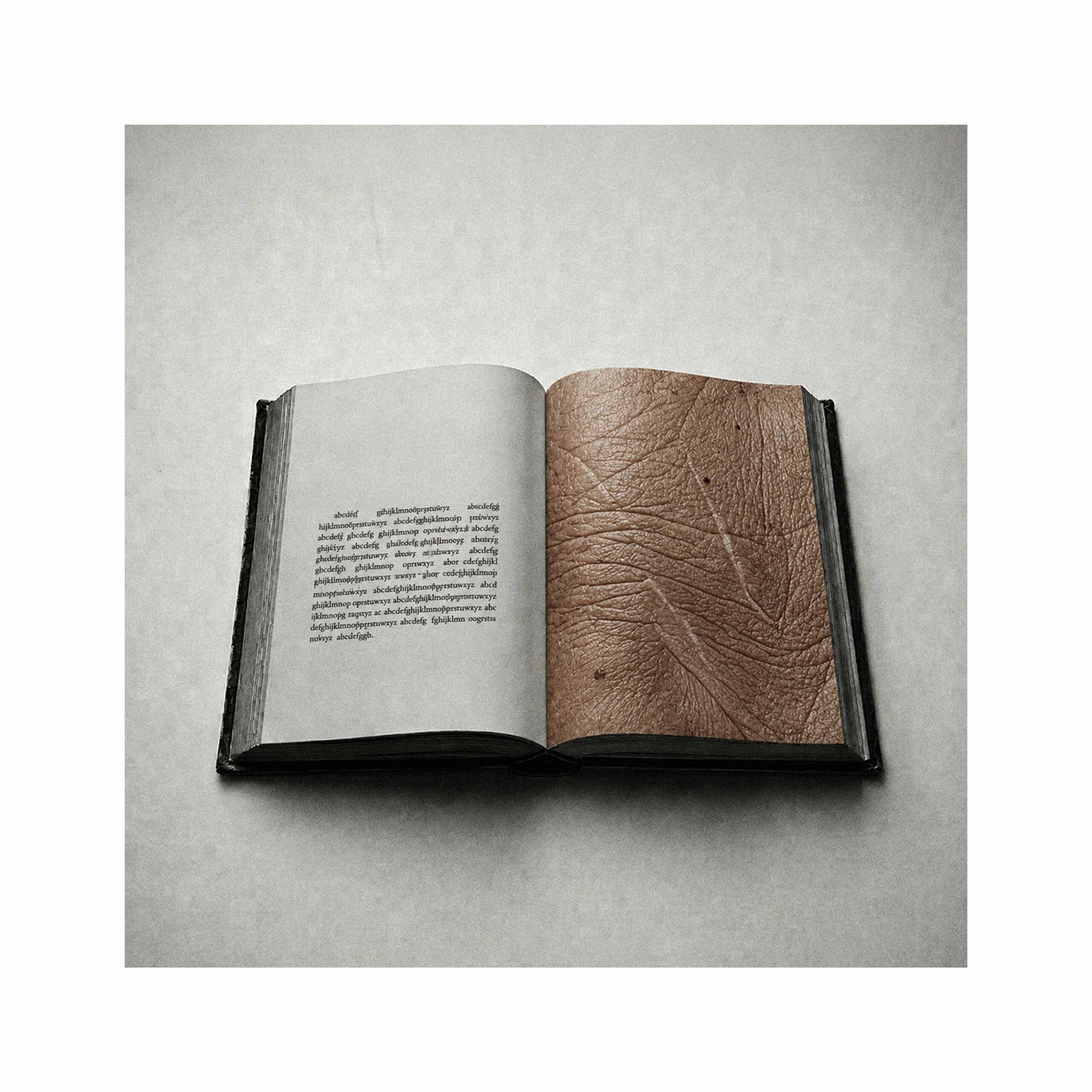
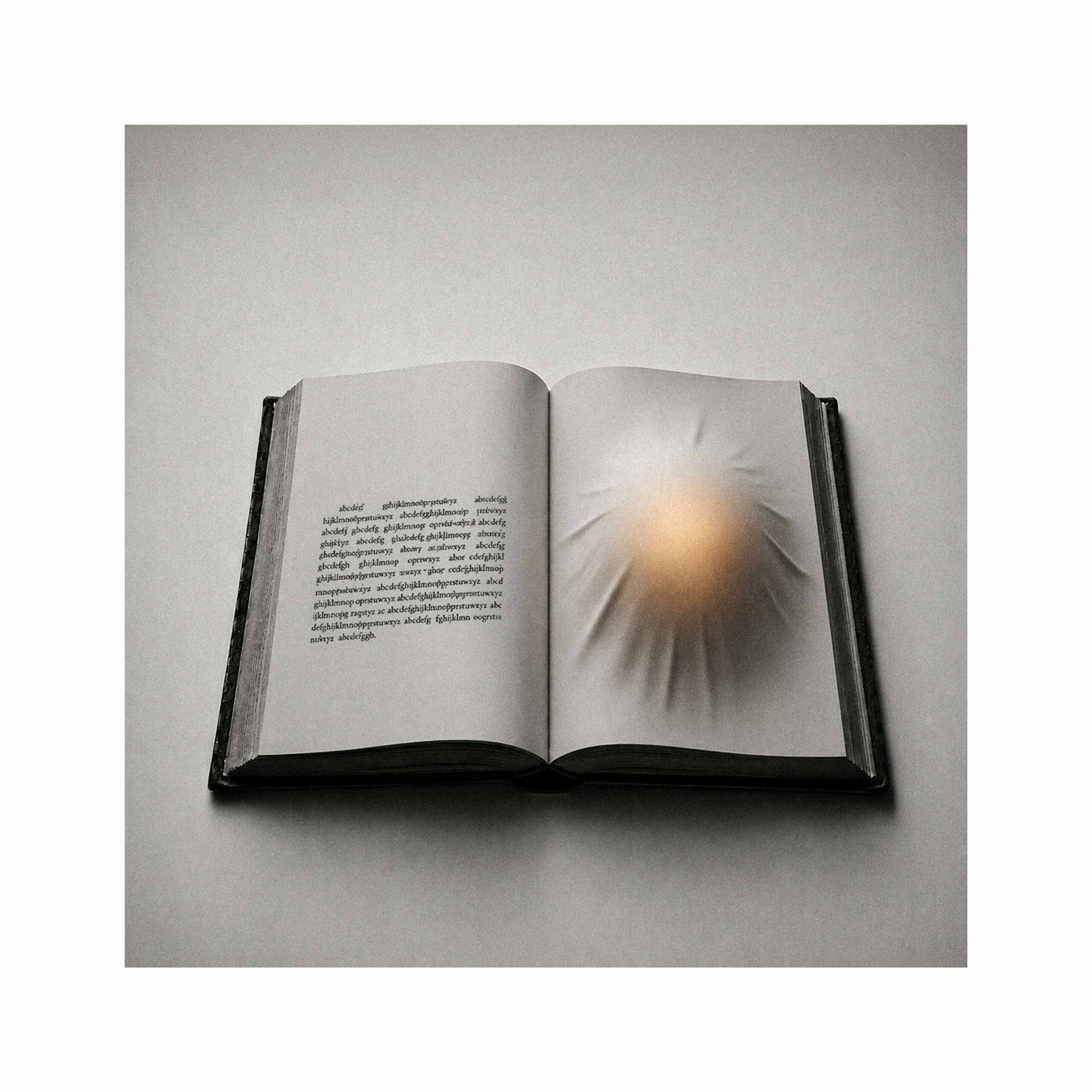
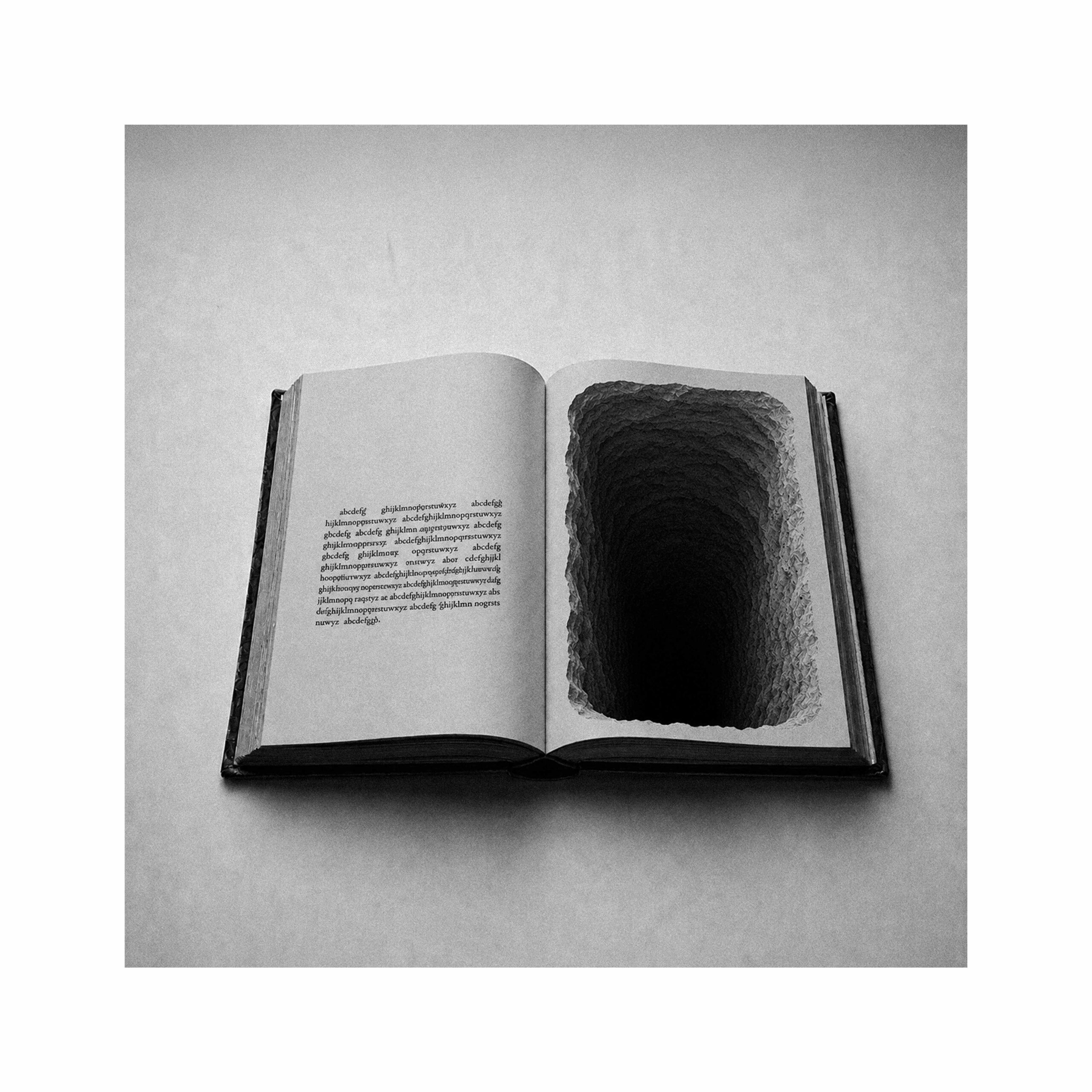
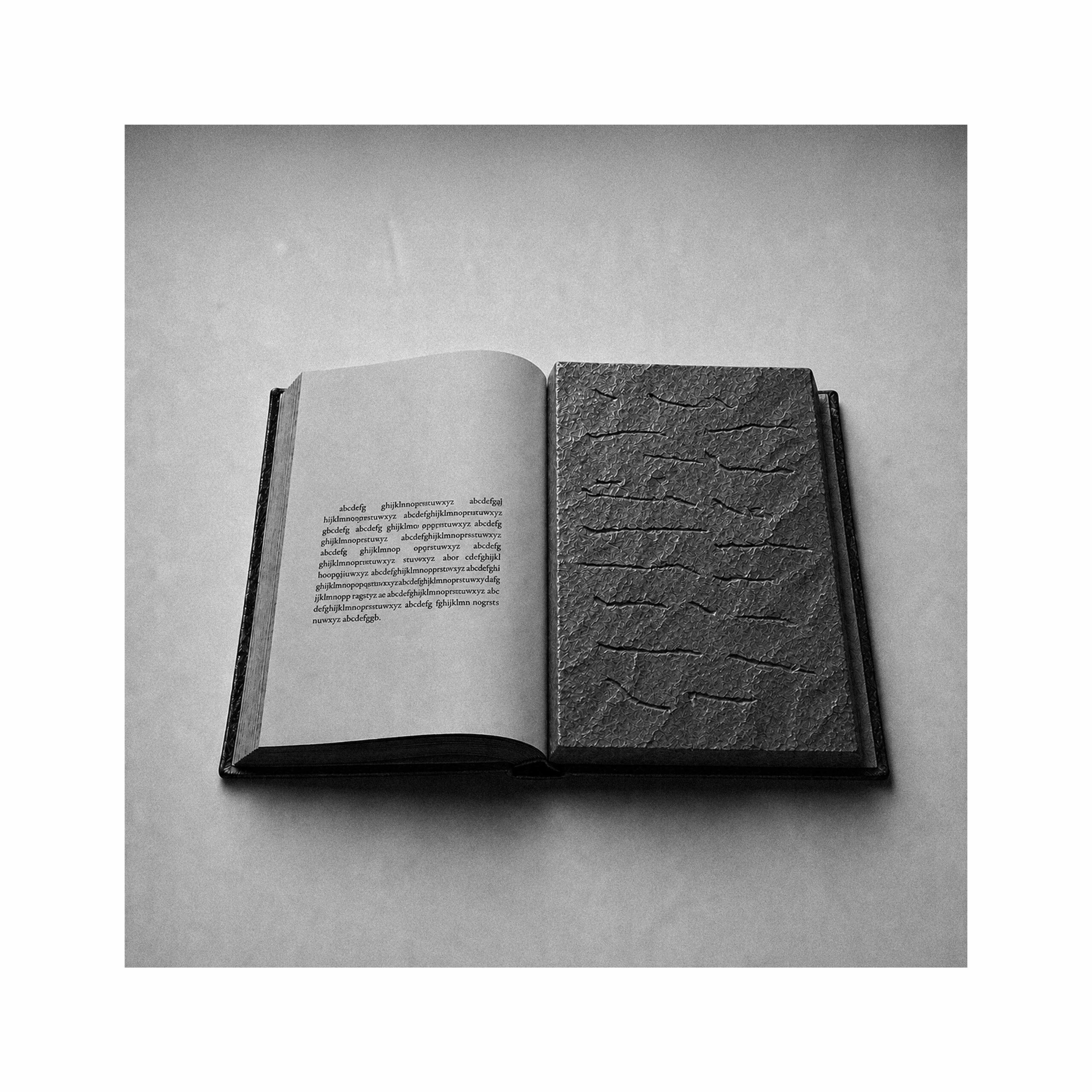
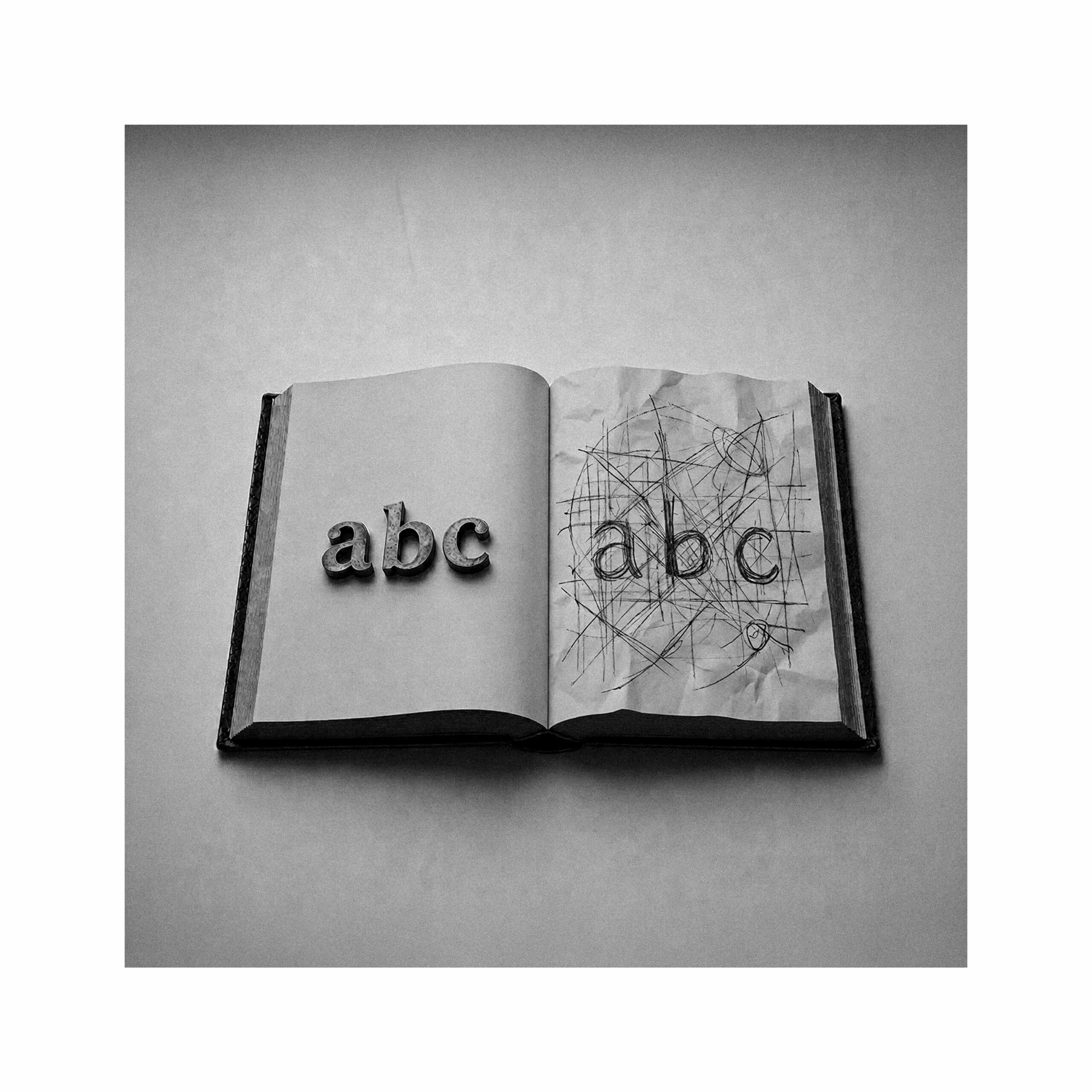
İbrahim Halil Özkirişçi’s hyperrealistic artworks/photographs address us directly; they draw us in, perhaps evoking fear, disgust, or something familiar within us, even if we cannot truly articulate or find the words for the feelings they arouse—which is precisely what he himself explores, states, and investigates in his Manifesto. We see images of books repeating throughout the photographs. The arrangement is central and unchanging; Özkirişçi does not address us so much through composition or the layout of visual elements on the format, but rather we are overwhelmed by the hyperrealistic images, usually positioned on the right-hand side of the book. While the images occupy the right, the left page is accompanied by text, words, and letters that are essentially unreadable and meaningless—but are they really? Does the image on the right connect with them? Can everything truly be expressed in words—as he writes in his Manifesto?
What do we, as viewers, feel when looking at a crumpled page? Do we think of violence, destruction, or dominance—there on the right, while the page on the left remains untouched, containing only letters and words? When do we crumple paper? When we are angry, furious, or when something goes wrong? Does it evoke something happening within us and our own experiences, or perhaps events unfolding across the world? Particularly intriguing is the photograph of the book where, on the right side, we see a hyperrealistic ear surrounded by intertwining letters, words, and text. Do we truly listen and hear? Do words pass us by? Do they touch us, do we feel them in our bodies, or do we ignore them? What are we looking at? Do we actually see? We look with our eyes, but what do we see? We see words—how do we read them; do they touch us? When we see a word, does something awaken within us, or do we only see letters and remain neutral, untouched—or perhaps in a state of untouchability?
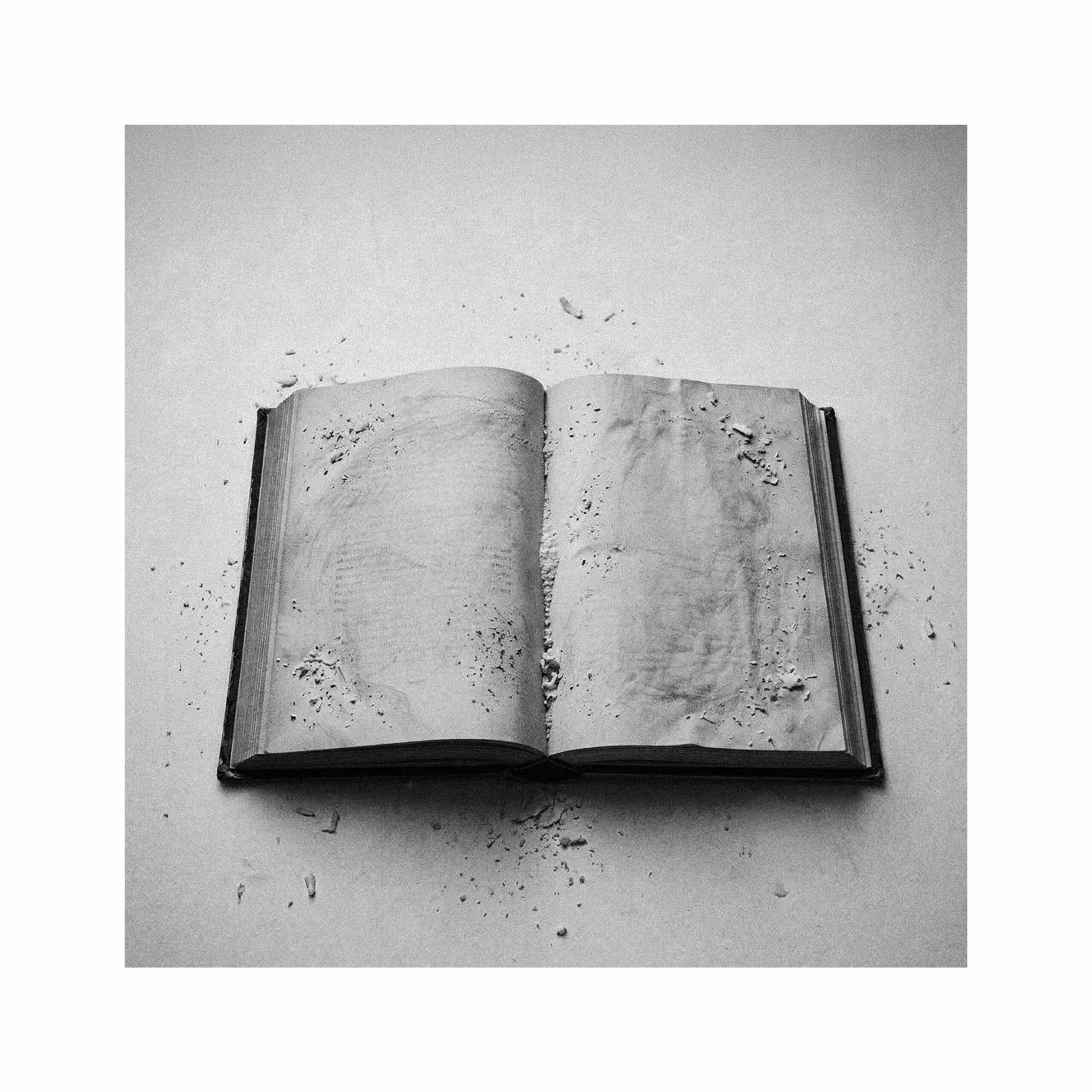
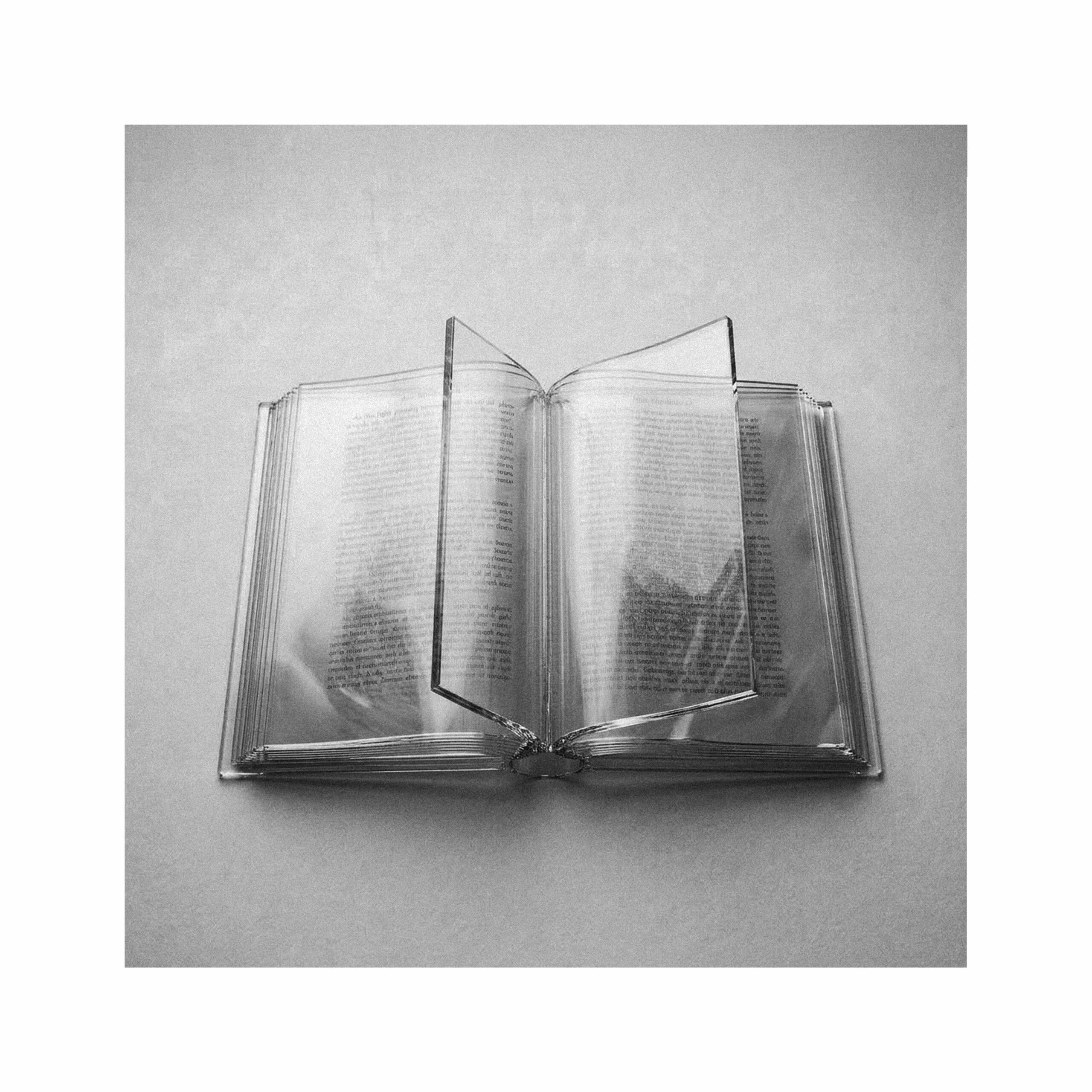
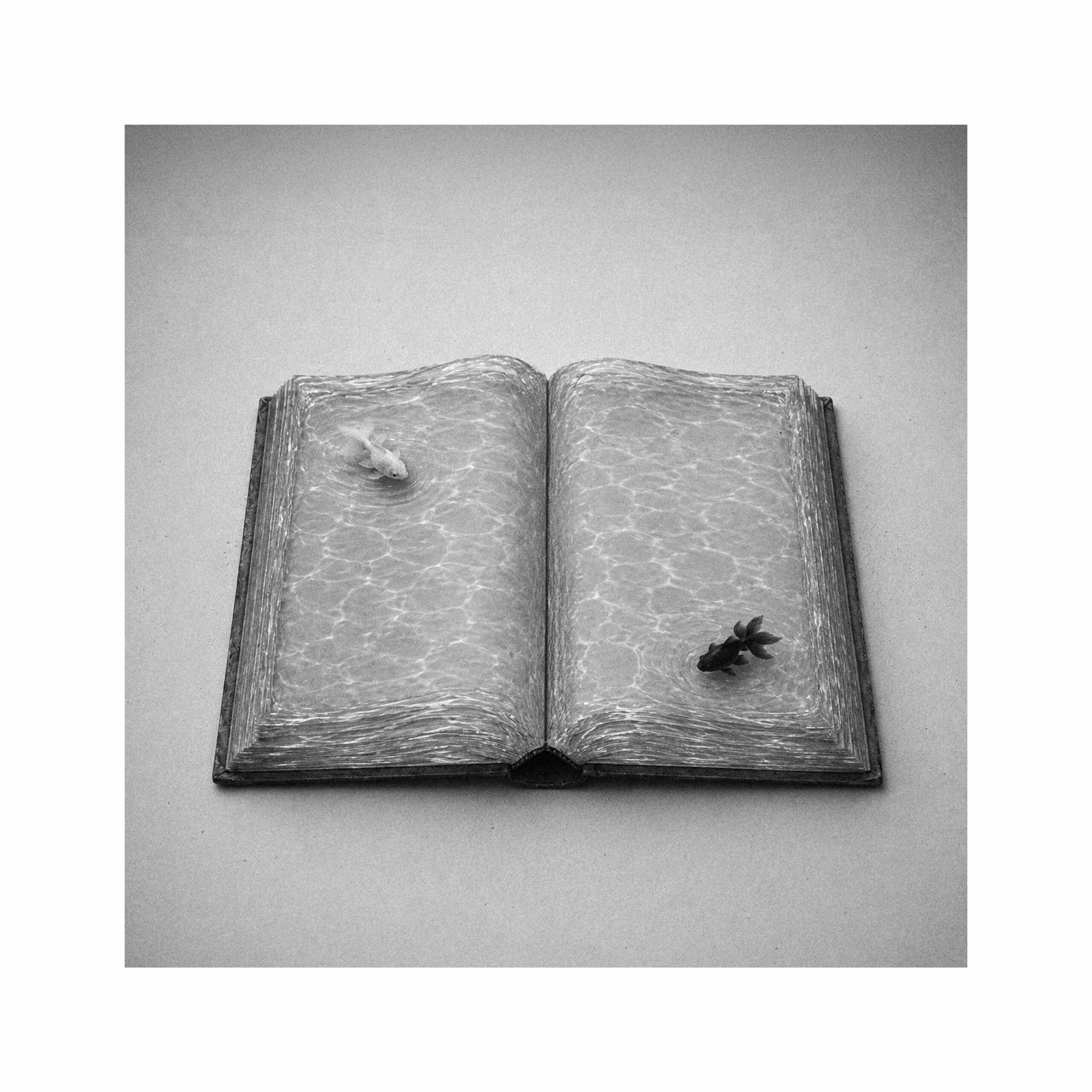
In this series, Özkirişçi seems to play with or address our senses: we have images of an ear, an eye, a mouth, and a hand—representing touch—and everything we can feel, sense, and experience through them. Even the images themselves feel like a journey, a process from birth to death, a search for balance—much like the image of the pair of black and white fish. We see an infinite void, darkness, and light trying to pierce through a membrane, something striving to emerge; something destroyed where words no longer exist, like death, devastation, and ruin; and something delicate, fragile as glass. And as the author states in his manifesto, I believe these black-and-white photographs can take us deep into our own lived experiences, emotions, and memories, forcing us to confront the uncomfortable feelings we may have repressed into the dark corners of our unconscious. I believe that through these artworks, Özkirişçi has clearly succeeded in making us, as viewers, confront and activate that which resides within ourselves.